Busy Professional
- Mon-Fri Morning: 15-min walk before work
- Mon-Fri Lunch: 20-min walking break (3x/week)
- Saturday: 45-min exploratory walk
- Sunday: 30-min leisure walk
- Total: ~220 minutes/week
Practical strategies for weaving walking into the fabric of your everyday life. This educational guide shows you how to integrate movement naturally and sustainably.
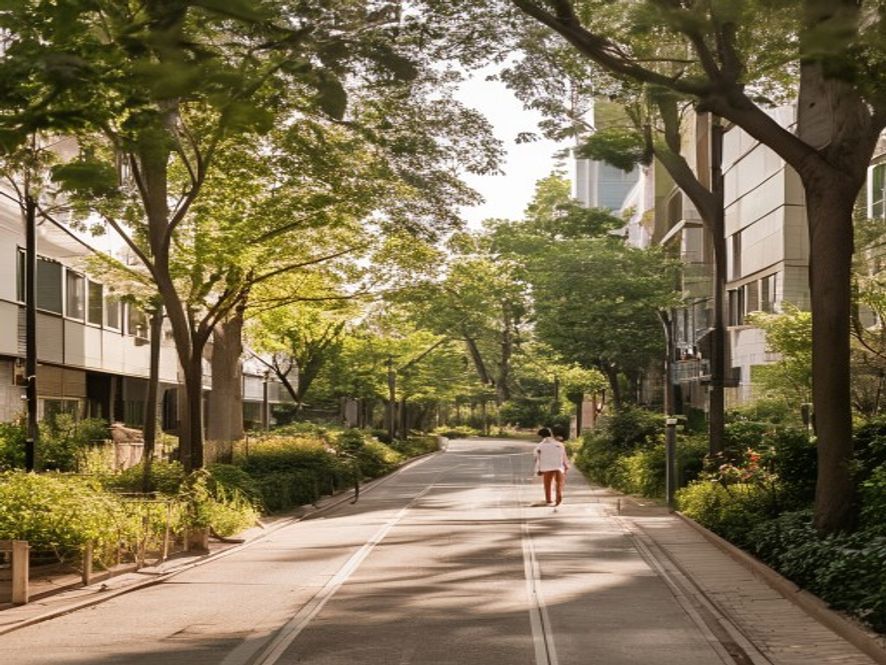
Identify natural places in your routine where walking fits seamlessly.
Start your day with intentional movement. A morning walk can energize and create mental clarity before your schedule intensifies.
Step away from tasks for a brief walking break. This refreshes focus and breaks up sedentary periods.
Walk during or after lunch. This aids digestion rhythm and provides a clear boundary between morning and afternoon work.
Combat the afternoon energy dip with a walk. A short movement break can restore focus and motivation.
If working outside home, walk instead of driving. This transition walk separates work identity from personal time.
Walk after dinner for gentle movement and reflection. This aids digestion and creates a wind-down transition.

Attaching walking to existing habits reduces decision fatigue and increases consistency. Instead of creating a new routine from scratch, you piggyback on established behaviors.
After I finish breakfast → I walk
After I close my laptop → I walk
After I complete my workout → I walk
When I arrive at the office → I walk around the block
When I get home → I walk before entering
When I reach the park → I walk the perimeter
Every morning at 7:00 → I walk
Every lunch hour → I walk
Every evening at 6:30 → I walk
The strongest anchors combine all three: a specific existing habit, a specific location, and a specific time. "After my morning coffee, I put on my walking shoes and head to the neighborhood loop for 20 minutes" is more powerful than "I'll try to walk more."
Three educational models for different lifestyles.
These are educational examples showing different approaches. Design a structure that works with your actual life, not against it.
Plan appropriate gear and have an indoor alternative ready. Walking in light rain is often pleasant; heavy storms warrant adaptation.
Block calendar time for walking. Treat it like an important meeting. Early mornings often provide more control than lunch hours.
Walk anyway, but shorter. A 5-minute walk still counts. Motion creates energy—you often feel better after starting.
Have backup times. If morning doesn't work today, know your evening backup plan. Flexibility within structure prevents total derailment.
Address the root cause. Improper shoes? Try different ones. Aching joints? Shorter walks. Pain means adjust, not quit.
Don't rely on motivation. Use systems: calendar marks, friend accountability, varied routes. Habits run on structure, not feeling.
Track these elements daily to support your walking habit.
Simple educational tracking framework.
| Date | Time | Duration | Route | Notes | Completed |
|---|---|---|---|---|---|
| Mon, Jul 08 | 6:30 AM | 20 min | Neighborhood Loop | Cool morning, nice clarity | ✓ |
| Tue, Jul 09 | 12:00 PM | 15 min | Office District | Lunch break walk | ✓ |
| Wed, Jul 10 | 6:00 PM | 25 min | Park Trail | Rainy, scenic anyway | ✓ |
| Thu, Jul 11 | — | — | — | Missed due to meeting | — |
| Fri, Jul 12 | 7:00 AM | 30 min | Extended Route | Made up for missed day | ✓ |
Track the essentials: did you walk, when, and for how long. Notes reveal patterns about what works and obstacles to address.
Our coaching team can help you design a custom integration plan for your life.
Schedule Your Consultation